You’ve scheduled your child’s first speech therapy appointment. That’s a big step, and it’s completely normal to feel a mix of emotions right now. Maybe you’re relieved to finally be getting answers. Maybe you’re a little nervous about how your child will respond. Or maybe you’re just wondering what actually happens in that room.
Whatever you’re feeling, knowing what to expect can go a long way toward easing any uncertainty. The good news is that a first speech therapy session is designed to be low-pressure, welcoming, and, for your child, genuinely fun.
Here’s a walkthrough of what a typical first visit looks like, so you and your child can walk in feeling confident and prepared.
Before the Appointment: How to Prepare
A little preparation ahead of time can make the first visit go more smoothly for everyone.
Gather any relevant documents. If your pediatrician provided a referral, bring that along. If your child has had any previous evaluations, hearing tests, or developmental assessments, those are helpful too. The more context your speech-language pathologist (SLP) has going in, the better they can tailor the session to your child.
Write down your concerns. It’s easy to forget what you wanted to ask once you’re in the moment. Jot down the things you’ve been noticing, like specific sounds your child struggles with, situations where communication breaks down, or milestones you’re unsure about. Your observations as a parent are incredibly valuable.
Talk to your child about the visit. You don’t need to go into a lot of detail, especially with younger toddlers. But framing the appointment in a positive, low-key way can help. Something like “we’re going to visit someone who plays talking games” or “you’re going to meet a new friend who helps kids with their words” sets the right tone. Avoid using language that might make it feel like something is “wrong” with them.
Dress for play. Speech therapy sessions, especially for young children, involve a lot of movement, play, and hands-on activities. Comfortable clothes your child can move around in are the way to go.
What Happens During the First Visit
The first appointment is usually a bit longer than a regular therapy session. Depending on your child’s age and needs, it can run anywhere from 45 minutes to two hours. Here’s a general breakdown of what to expect.
Getting to Know Each Other
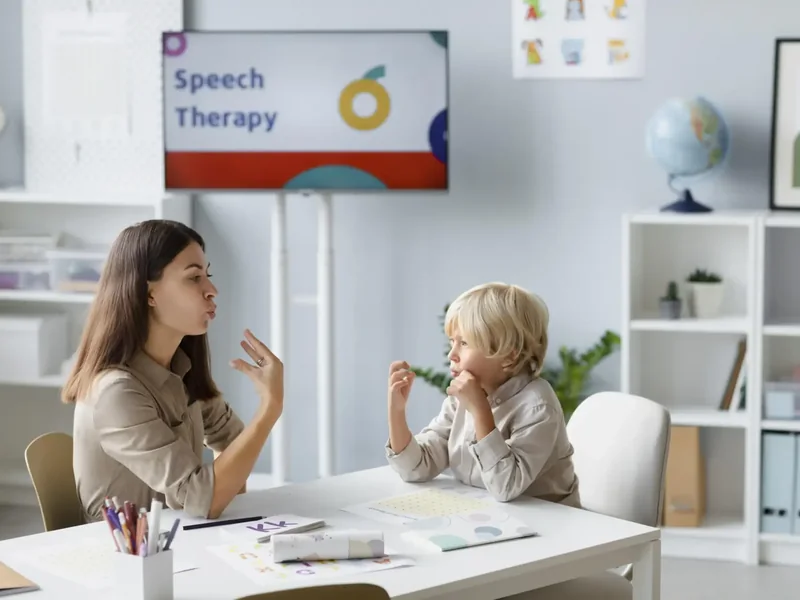
The session will typically start with a few minutes of rapport-building. Your child’s SLP knows that kids don’t open up to strangers immediately, so they’ll take time to make your child feel comfortable. This might look like playing with toys in the therapy room, asking your child about their favorite things, or simply following your child’s lead to see what interests them.
This part might seem casual, but it’s actually doing a lot of work. The therapist is already observing how your child communicates, what sounds they use, how they interact, and how they respond to new people and environments.
Parent Interview
While your child is settling in (or sometimes before the hands-on portion begins), the SLP will spend time talking with you. They’ll want to understand your specific concerns, your child’s developmental history, and what day-to-day communication looks like at home.
Expect questions about things like when your child said their first words, how many words they currently use, whether they combine words into phrases, how they handle frustration, whether they have any feeding difficulties, and how they interact with siblings or other children.
There are no wrong answers here. This isn’t a test of your parenting. It’s simply a way for the therapist to build a complete picture of your child so they can create the most effective plan.
The Assessment
This is the core of the first visit. The SLP will assess your child’s speech and language skills through a combination of structured activities and play-based observation.
For younger children, this almost always looks like play. The therapist might use toys, books, pictures, or games to see how your child responds to different prompts. They’ll be looking at things like how many words your child uses and understands, how they form sounds and put words together, whether they use gestures or eye contact to communicate, how they follow directions, and how well you and others can understand what they say.
For slightly older children, the assessment might also include more formal standardized tests where the therapist asks your child to name pictures, repeat words, follow multi-step instructions, or answer questions.
One important thing to know: there’s no way to “fail” this assessment. It’s not about getting right answers. It’s about understanding where your child is right now so the therapist can figure out the best way to help them move forward.
The Oral-Motor Check
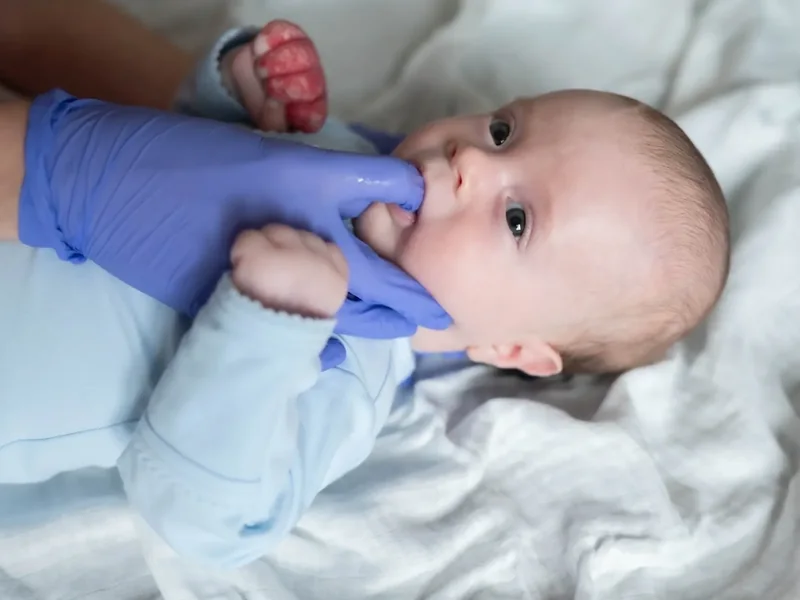
Depending on your child’s needs, the SLP may also take a quick look at the physical structures involved in speech. This means checking how your child’s lips, tongue, jaw, and palate move and work together. It’s quick, painless, and helps the therapist understand whether any physical factors might be contributing to speech difficulties.
This is especially relevant if your child has a history of feeding challenges or if there are concerns about conditions like tongue tie, which can affect both eating and speaking.
After the Assessment: What Comes Next
Once the evaluation is complete, the SLP will share their initial findings with you. This conversation usually happens at the end of the first visit or in a follow-up discussion shortly after.
Understanding the Results
The therapist will walk you through what they observed, how your child’s skills compare to typical developmental milestones, and whether they recommend ongoing therapy. They’ll explain things in plain language, not clinical jargon, and they’ll make sure you have a chance to ask questions.
If therapy is recommended, the SLP will outline a treatment plan with specific goals tailored to your child. These goals are broken down into long-term targets (like improving overall expressive language to an age-appropriate level) and short-term objectives (like using two-word phrases consistently or producing a specific sound correctly).
What Regular Sessions Look Like
If your child moves forward with therapy, regular sessions are typically 30 to 60 minutes, one to two times per week. The exact frequency depends on your child’s needs and what the therapist recommends.
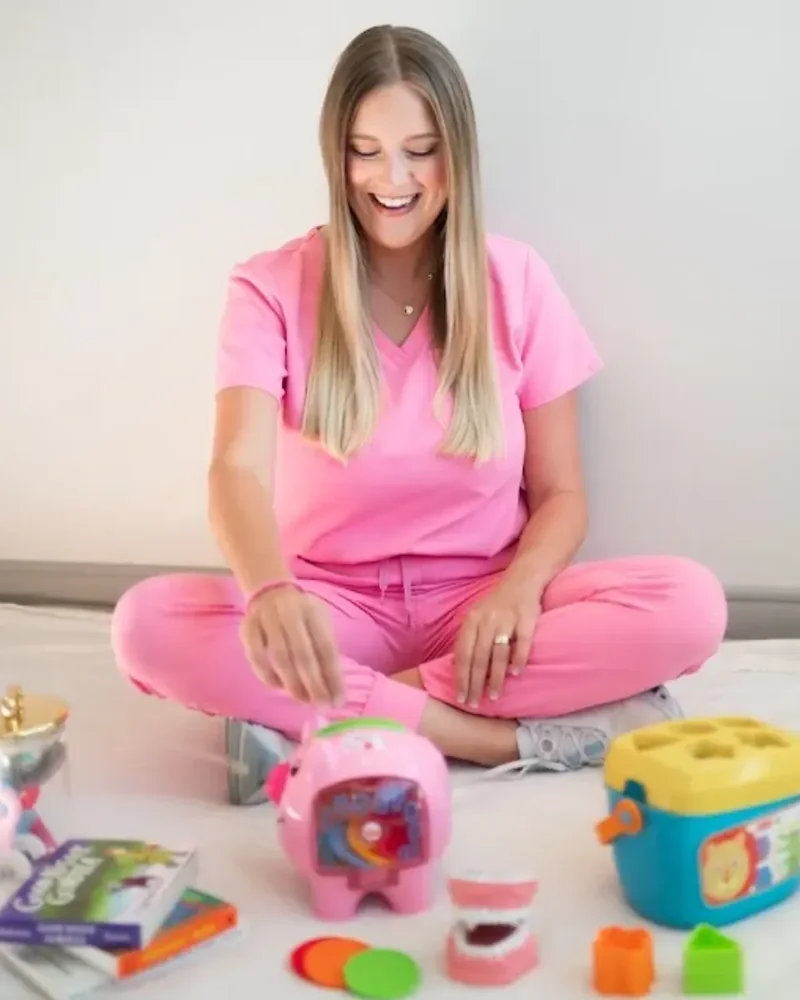
Sessions for young children are almost entirely play-based. Your child might think they’re just playing games, reading books, or doing puzzles, but every activity is carefully designed to target their specific goals. The therapist tracks progress throughout each session and adjusts the approach as your child develops new skills.
You’ll also receive guidance on things you can do at home between sessions. Research consistently shows that parent involvement is one of the biggest factors in how quickly children progress in speech therapy. Your therapist will give you practical strategies, activities, and tips that fit naturally into your daily routine.
Common Questions Parents Have
Will I be in the room during sessions?
For the first session, at least one parent or caregiver is usually present and encouraged to participate. As therapy continues, whether you stay in the room depends on your child’s age, comfort level, and the therapist’s recommendations. Some children do better with a parent nearby, while others are more engaged when they have the therapist’s full attention. Your SLP will help you figure out what works best.
What if my child won’t cooperate?
This is one of the most common worries parents have, and it’s completely understandable. But pediatric speech therapists are trained to work with young children who may be shy, anxious, uncooperative, or just having a bad day. They have a whole toolbox of strategies for building rapport and keeping kids engaged. If your child cries, refuses to participate, or needs extra time to warm up, that’s okay. The therapist has seen it before and knows how to adapt.
How long will my child need therapy?
This varies widely depending on the type and severity of the concern. Some children make significant progress in a few months, while others benefit from longer-term support. Your SLP will reassess your child’s skills periodically (usually every six months or so) and adjust goals as needed. They’ll always be transparent with you about your child’s progress and what to expect going forward.
What if it turns out my child doesn’t need therapy?
That’s a great outcome. An evaluation is simply a way to gather information. If the SLP determines that your child’s skills are within the normal range, they’ll let you know and may offer suggestions for supporting continued development at home. You’ll walk away with a clearer understanding of where your child stands, which is valuable no matter what.
For more answers to common questions, check out our FAQ page.
Tips for Making the Most of Speech Therapy
Once your child starts therapy, here are a few things that can help the process go as smoothly as possible.
Be consistent with appointments. Regular attendance makes a big difference in progress. Try to keep a consistent schedule so therapy becomes a normal, expected part of your child’s routine.
Practice at home. The strategies your therapist shares aren’t just homework. They’re opportunities to reinforce what your child is learning in a natural, everyday context. Even five to ten minutes a day of targeted practice can accelerate progress.
Communicate openly with your therapist. If you notice changes at home, have questions about goals, or feel unsure about anything, bring it up. The best outcomes happen when parents and therapists work as a team.
Celebrate the small wins. Progress in speech therapy doesn’t always come in big leaps. Sometimes it’s a new sound, a new word, or a moment where your child communicates something they couldn’t before. Those moments matter, and noticing them keeps both you and your child motivated.
We’re Here When You’re Ready
Taking the first step toward speech therapy can feel like a big deal, but it doesn’t have to be overwhelming. At Hope Therapy Center, our team of pediatric speech therapists in Lafayette is here to make the process as comfortable and supportive as possible, for both you and your child.
Whether you’re coming in for an initial evaluation or you’re ready to start regular sessions, we’ll meet your child exactly where they are and work together to help them reach their full potential.
Request an appointment today and let’s get started.